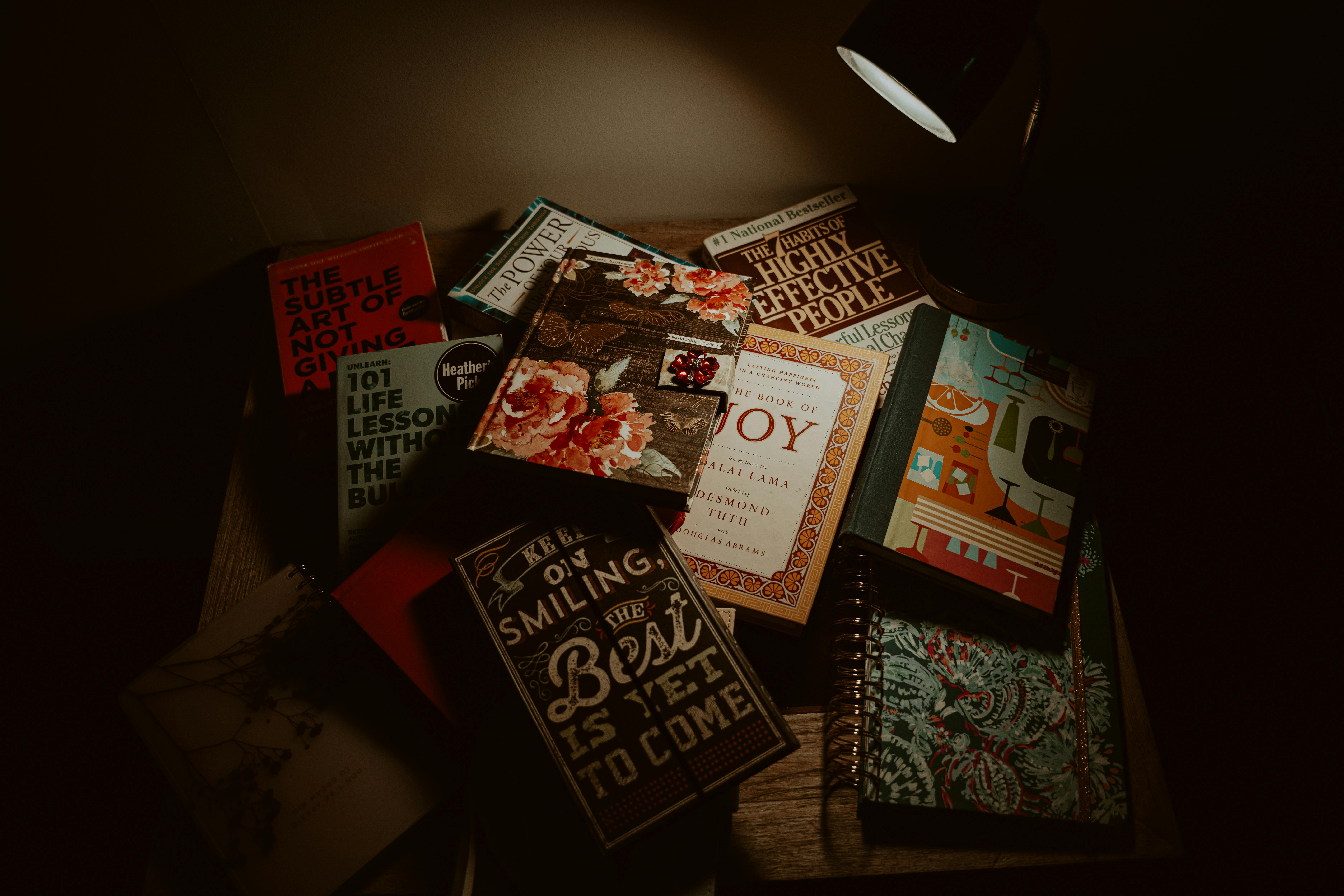

Meta Description: Discover why reading is one of the most powerful habits you can build. From boosting brain health to improving communication, here’s why reading matters more than ever.
Introduction
In a world flooded with short videos, social media reels, and instant notifications, reading can feel like a lost art. But here’s the truth — reading remains one of the single most important habits a human being can cultivate. Whether it’s a novel, a self-help book, a news article, or a research paper, reading shapes the way we think, communicate, and understand the world around us.
So, how important is reading, really? The answer: more than most people realize.
1. Reading Strengthens Your Brain

Your brain is a muscle — and reading is one of the best workouts it can get.
Studies from neuroscience have shown that reading activates multiple areas of the brain simultaneously, including those responsible for language, memory, and critical thinking. Regular readers have been found to have slower cognitive decline as they age, reducing the risk of conditions like Alzheimer’s and dementia.
Unlike watching a video, reading requires your brain to actively construct images, follow logic, and retain information — making it a deeply engaged mental exercise.
SEO Keyword Tip: Reading benefits for brain health, cognitive benefits of reading
2. Reading Expands Your Vocabulary and Communication Skills

The more you read, the more words you encounter — and the more effectively you can express yourself.
A rich vocabulary doesn’t just make you sound smarter; it makes you a clearer thinker and a more confident communicator. Whether you’re writing an email, giving a presentation, or having a difficult conversation, the words you’ve absorbed through reading become tools at your disposal.
Research consistently shows that children and adults who read regularly have superior writing ability, better grammar, and stronger verbal communication skills.
3. Reading Reduces Stress and Improves Mental Health

Feeling overwhelmed? Pick up a book.
A study by the University of Sussex found that reading for just 6 minutes can reduce stress levels by up to 68% — more effectively than listening to music or taking a walk. Reading fiction, in particular, allows you to step into another world, giving your mind a genuine escape from everyday pressures.
Beyond stress relief, reading has been linked to:
- Reduced symptoms of depression
- Greater empathy and emotional intelligence
- Improved sleep quality (especially when replacing screen time at night)
4. Reading Builds Knowledge and Critical Thinking

Knowledge is power — and books are its greatest source.
Every book you read adds to your understanding of the world. Non-fiction exposes you to facts, ideas, and perspectives. Fiction builds empathy by placing you in characters’ shoes. Both train your brain to analyze, question, and think critically.
In a world where misinformation spreads rapidly, the habit of reading — especially from diverse and credible sources — helps you become a more discerning, well-informed individual.
5. Reading Fuels Creativity and Imagination
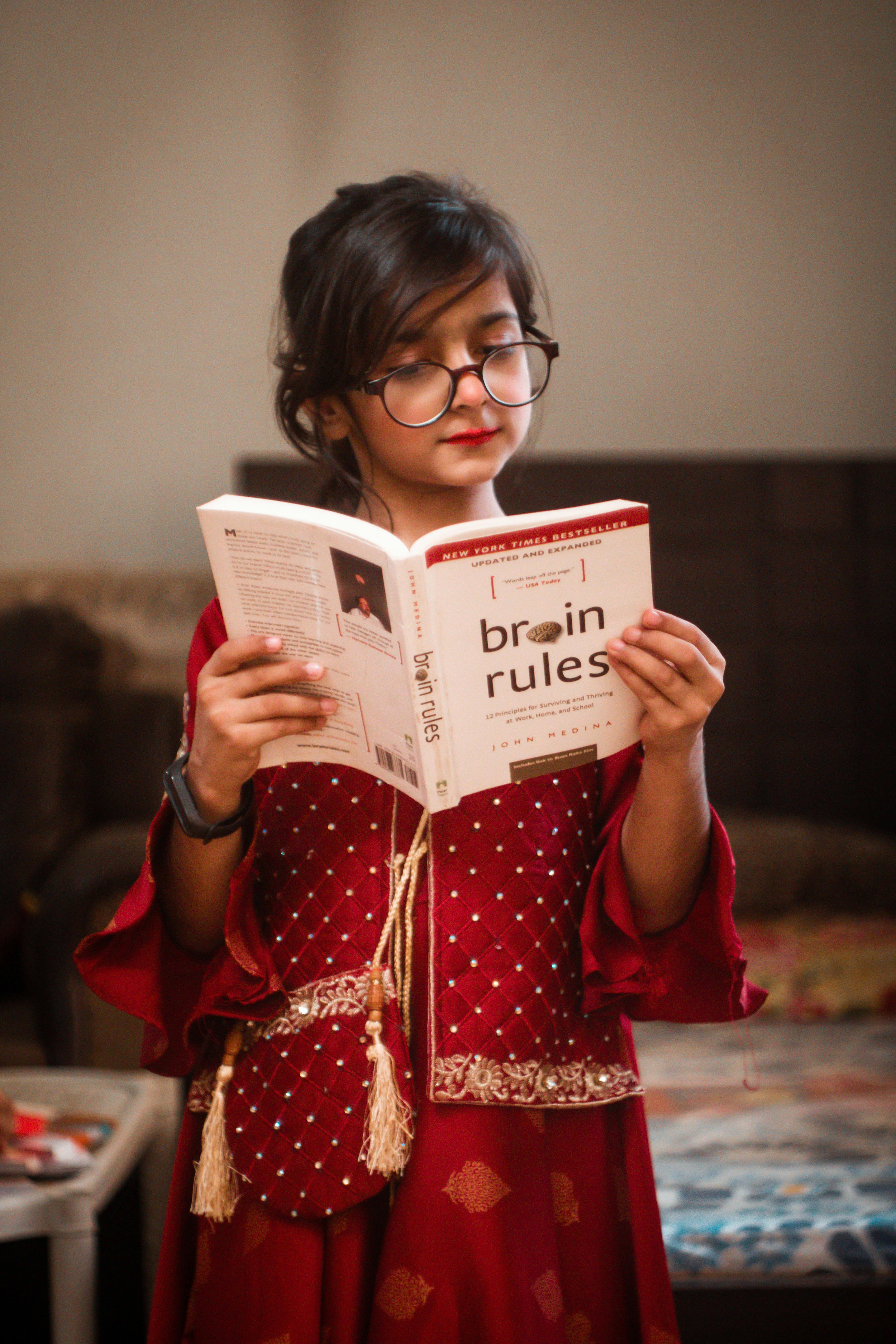
Reading is the ultimate creativity tool.
When you read, your mind fills in the gaps — you visualize characters, settings, and emotions. This active imagination is a form of creative exercise that carries over into your real life, whether you’re solving a problem at work, designing something new, or simply thinking outside the box.
Many of the world’s most successful entrepreneurs, scientists, and artists are voracious readers. Bill Gates reportedly reads 50 books a year. Warren Buffett spends 80% of his day reading. Coincidence? Hardly.
6. Reading Improves Focus and Concentration

In the age of distraction, reading is an act of discipline.
Every time you sit down with a book and resist the urge to check your phone, you’re training your attention span. Over time, regular readers develop stronger focus and concentration — skills that translate directly into productivity and performance in every area of life.
7. Reading Opens Doors to Empathy and New Perspectives
One of the most underappreciated benefits of reading is its power to make us more human.
Fiction, biographies, and memoirs place us inside experiences far removed from our own — different cultures, historical periods, socioeconomic realities, and emotional landscapes. This exposure builds empathy and challenges our assumptions, making us more compassionate and open-minded individuals.
In a divided world, this might be one of reading’s most important gifts of all.
How to Build a Reading Habit (Even If You’re Busy)
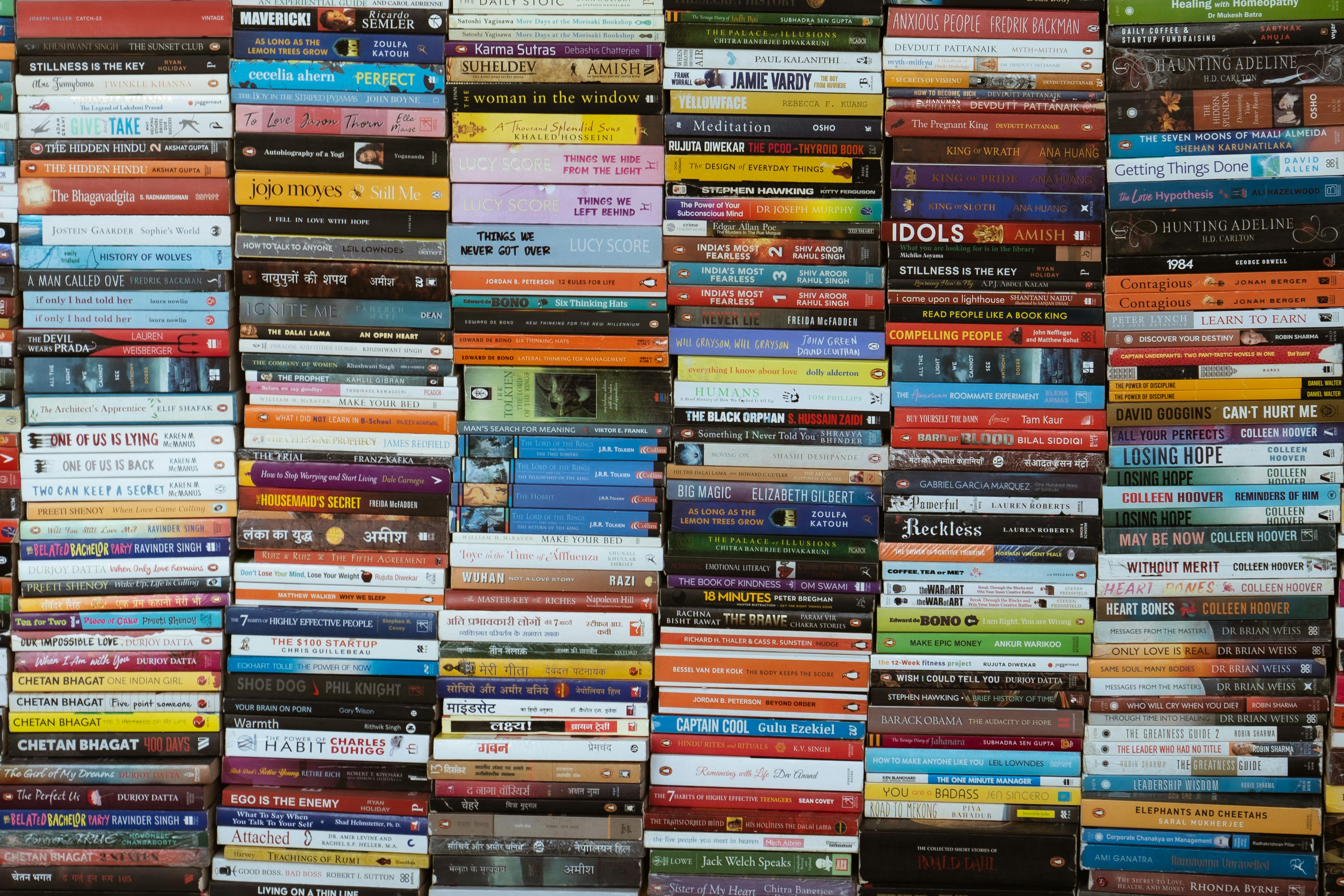
You don’t need hours a day to be a reader. Here are some simple strategies:
- Start small — Even 10–15 minutes a day makes a difference
- Always carry a book (or use a reading app on your phone)
- Replace one scroll session with a chapter
- Set a yearly reading goal to stay motivated
- Join a book club for accountability and discussion
Conclusion
Reading is not a passive hobby — it’s an investment in yourself. It sharpens your mind, feeds your imagination, builds your knowledge, and connects you to the shared human experience across time and culture.
In a fast-paced world that constantly demands your attention, choosing to read is one of the most powerful and intentional things you can do for your growth.
So close that tab, put down the scroll, and open a book. Your future self will thank you.